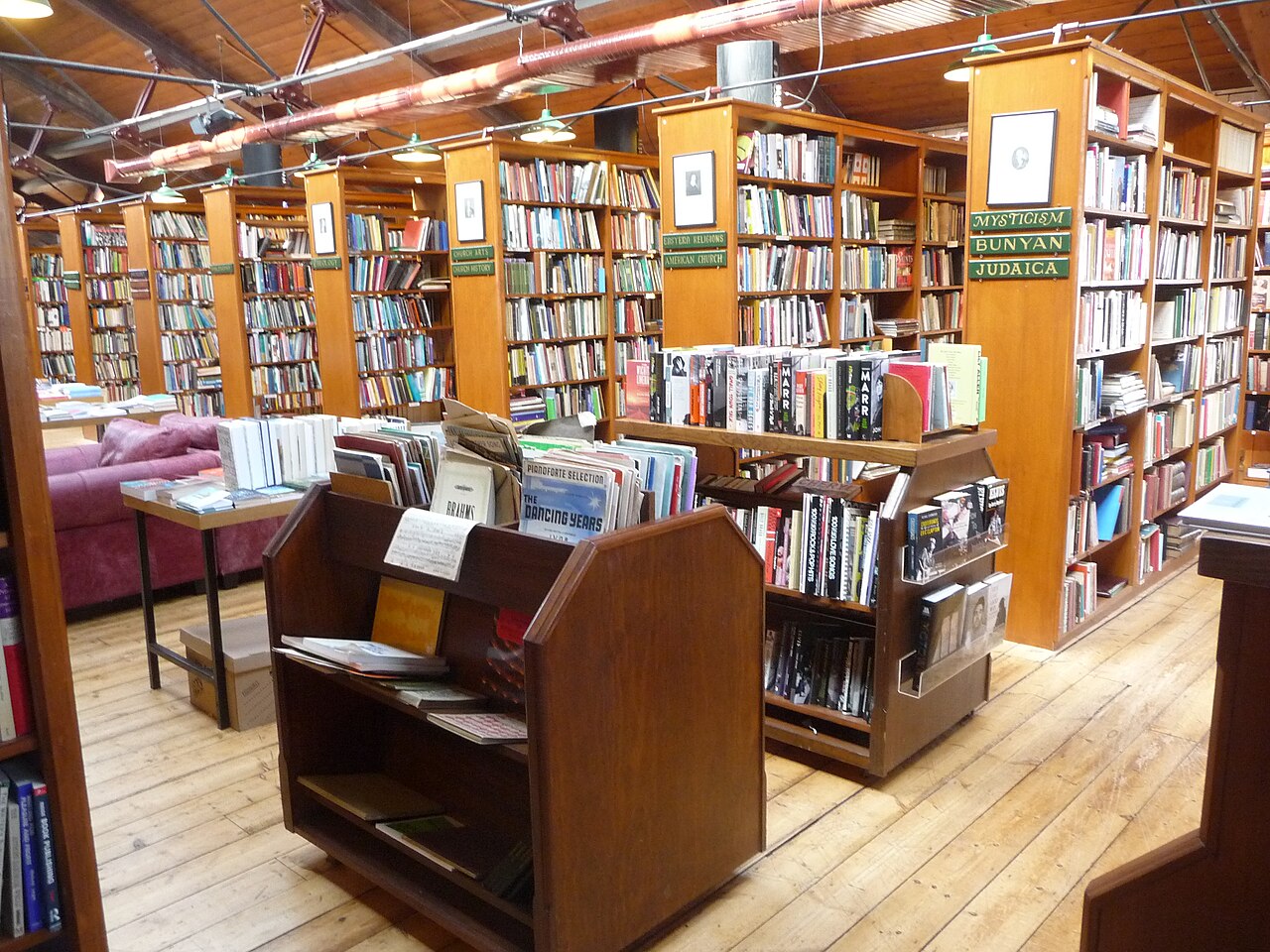
A second-hand bookshop never pays the author when it acquires books. The shop then sells the book, sometimes multiple times, and the publisher sees nothing. Copyright law allows this because the buyer owns the physical copy and the right to resell it ends with the first sale. See Right of First Sale.
Digital goods carry no such rule. You buy a licence, not a copy. The storefront calls it a purchase, the terms call it a licence, and you only realise this when the account closes or the platform delists the title.
The European Union tested both directions. In 2012 the Court of Justice allowed a company to resell downloaded software licences, because the download worked like a sale. In 2019 the same court refused the logic for ebooks, because making a book available online counts as communication to the public rather than distribution.
So the rule follows the file type. A software licence can pass to someone else. A game or an ebook stays rented in all but name, and it dies with the account that holds it.
That is why some defect to the pirate market instead of taking part in the scam. When the legal market refuses resale, the only second-hand market is an illegal one, which is why DRM keeps producing the behaviour it was built to prevent.
Ownership in 2026 comes down to one right: can you give it away when you are finished with it? On paper, yes. On a screen, no.