I paid R210 for a Hawaiian pizza and a pint of Guinness the other day. Five years ago I paid R300 for a T-shirt, and it still looks new. The beer lasted twenty minutes. The shirt has survived four winters.
That gap comes from which parts of the economy can be automated and which cannot.
Tradable goods get cheaper
A T-shirt is a tradable good. A factory in Bangladesh or Turkey can cut and sew millions of them, and container shipping moves them anywhere. Competition runs across the planet, so the price tracks the cheapest producer. Electronics, bedding and toys follow the same path.
Scale explains part of it. A garment factory spreads its fixed costs over millions of units, which pushes the unit price down.
Services track wages
A pizza is a service delivered in a fixed place. Someone takes the order, cooks the food, washes the plates and pays rent on the building. The kitchen cannot double its output the way a factory can, because the work is the person.
Scale does not rescue a restaurant either. The hundredth pizza on a Friday still needs a pair of hands and an oven with room in it.
Economists call the result Baumol’s cost disease. Wages across the economy rise with productivity. Restaurants must pay those wages to keep staff, so their prices rise even though their own productivity has not moved. Healthcare, education and hairdressing sit in the same bracket.
Why groceries rise while shoes do not
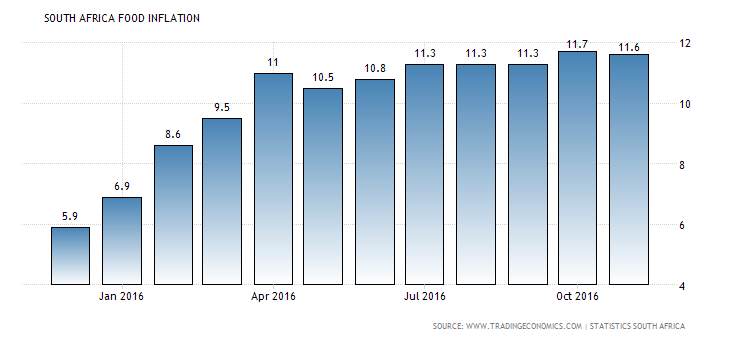
Groceries are partly tradable and partly not. A bag of rice trades globally. A loaf of bread carries labour, electricity and distribution costs that stay local, and processed food adds packaging and retail staff.
The shirt holds up because a machine somewhere else keeps making it cheaper. The meal costs more because it still needs people. Once you see the split, the till slip stops looking random.